

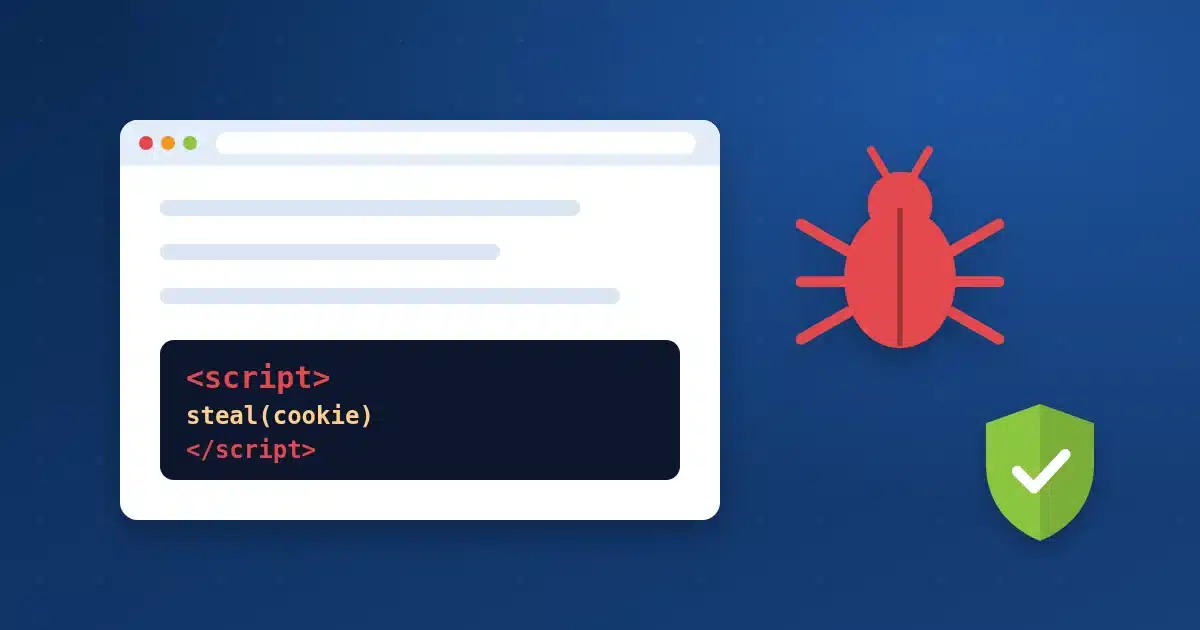
In shortXSS (cross-site scripting) is an attack where someone places JavaScript code into a page on your site through a comment, form or link. When a visitor opens the page, the code runs in their browser and may steal their login session, redirect them or show a fake form. Protection: escape everything visitors write before displaying it, keep plugins updated and add security headers such as CSP.
How does the attack work? #
In XSS the attacker does not target the server directly; they target your visitors. They use any place where your site displays text written by someone else without cleaning it, such as comments, search results or profiles, and put code there instead of text.
Types of XSS #
| Type | How it happens | Example |
|---|---|---|
| Stored | The code is saved in the database and shown to everyone who opens the page. | A comment or product review containing a script. |
| Reflected | The code is in the link itself and runs only for whoever clicks it. | A crafted search link emailed to the victim. |
| DOM-based | The page’s own JavaScript writes a value from the URL into the page unescaped. | A script that reads part of the URL and displays it. |
What can the attacker do? #
1Hijack sessionsIf a site admin opens the infected page, the attacker may take over their session.
2Redirect visitorsSend them to scam sites or ads.
3Fake formsShow a fake login or payment form inside your real page.
4Hurt your reputationYour site may be flagged as dangerous. Read fixing the Google warning.
How to protect your site #
- Update plugins and themes: Many WordPress XSS flaws are in old form, slider and comment plugins.
- Developers: escape output: Display any visitor text only after escaping it. In WordPress use
esc_html(),esc_attr()andesc_url(), and in PHP usehtmlspecialchars(). - Moderate comments: Turn on comment moderation, and disable comments where you do not need them.
- Add security headers: A CSP policy lists the allowed script sources, making injected code harder to run. Read security headers.
- Protect cookies: WordPress makes its login cookies HttpOnly so JavaScript cannot read them. In custom code, use HttpOnly and Secure too.
- Use a web application firewall: ModSecurity rules stop known XSS patterns in requests.
<?php // Wrong
echo $_GET['name'];
// Right
echo esc_html($_GET['name'] ?? '');
How Hyyat Host protects your site #
- ModSecurity and Imunify360 rules block known XSS requests before they reach your site.
- ImunifyAV scans files daily and detects malicious scripts injected into theme files.
- WP Toolkit in cPanel alerts you to plugins with known vulnerabilities.
Frequently asked questions #
What is the difference between XSS and SQL injection?
SQL injection targets the site’s database on the server. XSS targets the visitor’s browser with JavaScript running inside your page.
Does an SSL certificate protect against XSS?
No. SSL only encrypts the connection, and injected code arrives encrypted too. Protection comes from escaping output, updates and security headers.
Are security plugins enough?
They help block known patterns, but the flaw itself is closed by updating the affected plugin or fixing the code.


